Piano Translation and Piano Transcription
Piano Transcription is the process of adapting a musical piece into sheet music for the piano. It can be an extremely difficult skill for pianists to learn, but it allows them to single-handedly encapsulate the essence of complex orchestral or other instrumental works. It’s a symphony of adaptation that honors the original while showing off the piano’s versatility.
The process of transcribing a piece of music is usually quite long and time consuming. It requires patience and listening to the piece multiple times while writing down the notes. Oftentimes, musicians create transcriptions of their own songs or improvisations in order to improve their skills and master the piece. Piano transcription can also be used to help beginners practice new pieces without the supervision of a teacher, as it provides an accurate way to self check their performance.
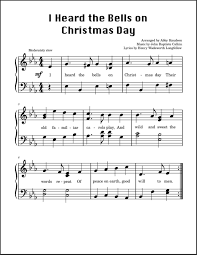
Musical transcription is also used to notate sounds that were previously unnotated or unavailable as sheet music, like jazz improvisations or video game soundtracks. The process of transcribing a song into sheet music requires extensive training and a high level of concentration. It can also be used as a form of historical preservation, as it allows the music to be passed on to future generations.
https://tartalover.net/nicole-pesce
What is the Difference Between Piano Translation and Piano Transcription?
When a piece of music is transcribed, it means that the notes are recorded in standard musical notation, which uses lines and spaces to indicate the different note values. This system of notation was developed during the Baroque period and is still used today to communicate musical ideas to musicians. Piano transcription is easier to do if the original piece of music is also written in standard musical notation.
https://m.youtube.com/@tartalover2682/videos
Other forms of transcription include transposing a song into a different key, or modulating a piece of music. The former is simply changing the key of a song, whereas the latter changes the keys throughout a piece of music, often times coming back to the original key at the end. Both processes require a high level of concentration, but they are different from piano transcription.
The piano is a chromatic instrument, which means it can play all of the notes in the scale. This makes it much easier to transcribe music for the piano than it is for some other instruments. This is why many classical compositions were originally transcribed for the piano, such as Franz Liszt’s piano transcription of Beethoven symphonies; and Mozart’s transcription of his violin concertos into solo piano pieces.
While computer algorithms are being developed that can perform transcription, they are currently not advanced enough to be useful for practical applications. They normally contain a large number of errors and have the same limitations as human musicians, such as a tendency to make mistakes when practicing a new piece. In the future, transcription may be incorporated into more complex programs that will help music students by recording their performances and then comparing them with the original music score to highlight errors. This could help beginner piano students to improve their playing skills while avoiding costly mistakes.