rework play in Circuit card assembly manufacturers
Rework plays a crucial role in circuit card assembly (CCA) manufacturing, impacting both the quality and cost-efficiency of the production process. Rework refers to the process of correcting or modifying a circuit card assembly after it has been initially manufactured but before it is considered ready for its final use. This process can involve a range of activities, from fixing minor defects to making significant adjustments to meet specific design requirements. Understanding the role of rework in CCA manufacturing highlights its importance in ensuring product reliability and meeting customer expectations.
One of the primary roles of rework in CCA manufacturing is quality assurance. Despite rigorous quality control measures during the production process, defects can still occur. These defects can include issues such as poor solder joints, misplaced components, or faulty connections. Rework provides an opportunity to address these defects, ensuring that the final product meets the required specifications and quality standards. By implementing rework processes, manufacturers can significantly reduce the rate of defective products reaching customers, thereby enhancing the overall reliability and performance of their electronic devices.
Rework also plays a vital role in managing production costs. While it might seem counterintuitive, reworking a defective or non-conforming product can be more cost-effective than discarding it and starting from scratch. The cost of materials, labor, and time invested in producing a circuit card assembly manufacturers can be substantial, and rework allows manufacturers to salvage valuable components and assemblies. This approach helps in reducing waste and optimizing resource utilization, which is particularly important in high-volume production environments where even a small percentage of defective products can lead to significant financial losses.
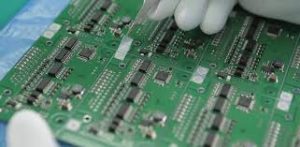
What role does rework play in Circuit card assembly manufacturers?
Additionally, rework allows for flexibility and adaptability in the manufacturing process. In the fast-paced world of electronics, design changes and updates are frequent. Rework provides manufacturers with the ability to implement last-minute changes or modifications to existing circuit card assemblies without halting the entire production line. This flexibility is crucial for meeting evolving customer requirements and for responding swiftly to market demands or new technological advancements.
Rework processes also contribute to the development and maintenance of a skilled workforce within the CCA manufacturing industry. Technicians involved in rework must have a high level of expertise in various aspects of electronics, including soldering, desoldering, and diagnosing circuit issues. Continuous involvement in rework activities ensures that these technicians remain proficient in their skills, which is essential for maintaining high standards of quality and efficiency in the manufacturing process. Furthermore, this expertise can be leveraged in training new employees, thereby enhancing the overall capability of the manufacturing team.
Despite its benefits, rework must be managed carefully to avoid potential drawbacks. Excessive reliance on rework can indicate underlying issues in the initial production process, such as inadequate quality control or design flaws. Therefore, manufacturers must strike a balance between minimizing defects through robust production processes and effectively addressing defects through rework. Continuous improvement initiatives, such as Six Sigma and lean manufacturing principles, can help in identifying the root causes of defects and reducing the need for rework over time.
In conclusion, rework plays a multifaceted role in circuit card assembly manufacturing, contributing to quality assurance, cost management, production flexibility, and workforce development. By effectively integrating rework processes into their operations, manufacturers can ensure that their products meet high standards of quality and reliability while also optimizing resource utilization and maintaining competitiveness in the market. However, it is essential for manufacturers to continuously monitor and improve their production processes to minimize the need for rework and to address any underlying issues that may lead to defects.