Flexible PCB Can Be Used in Medical Devices
The advanced technology of medical devices has made it possible for patients to receive life-changing treatments and improved outcomes. However, these devices can put a lot of stress on their enclosures, especially when they are used often and for extended periods of time. Fortunately, the right choice of materials and careful design can help protect your medical device from failure and extend its lifespan.
flexible pcb can be an excellent option for the enclosure of your medical device, as they are more resilient than rigid alternatives and offer much more durability. In addition, they can fit into compact designs that are often required in healthcare applications. However, they do require special consideration when incorporating into a medical device. To ensure a high-quality electronic assembly, it is important to work with an experienced team that has the skills and knowledge necessary to produce medical PCBs.
Medical electronics must be designed with safety and reliability in mind, and these demands are even more critical when designing a wearable device. These devices are constantly flexing, twisting, and conforming to the body’s shape, which means they need to be designed with high-reliability and longevity. Flex PCBs are ideal for these types of applications, as they can withstand the stresses and shocks associated with bending and twisting.
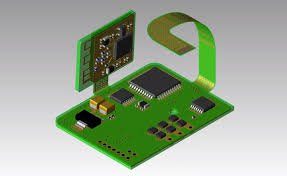
How Flexible PCB Can Be Used in Medical Devices
Another advantage of flex PCBs is that they reduce the number of interconnection points, which can increase the likelihood of electrical failure or malfunctions. These circuit boards use thinner copper layers for insulation, which allows them to flex more easily than conventional rigid PCBs. This helps to prevent the formation of defects or shorts in the wires that connect to the components. It also increases the overall reliability of the circuit board.
A flexible pcb can also be beneficial for medical devices because it is smaller and lighter than traditional rigid PCBs. This is particularly important for wearable medical devices, which must be small enough to be comfortable while being worn. Using flexible PCBs in these devices will help to reduce the weight without compromising quality, reliability, or functionality.
Rigid-flex circuits are also an excellent solution for medical devices because they combine the advantages of both rigid and flexible technologies. These types of circuits can be used for many different purposes in a medical device, and they are ideal for implantable devices such as pacemakers or cochlear implants. They can be used as a base for the device’s electronics, or they can be used for connecting to sensors and signal transmission.
When it comes to using a flexible pcb in a medical device, there are a few things that you should keep in mind. First, it is important to consider the environment and the type of bending that the device will be subjected to. For example, if the device will be constantly flexed and twisted, you will want to use class 3 flex circuits, which are designed with higher-reliability materials and better fabrication tolerances. Also, it is important to use anchors on flex traces in dynamic applications, as these can improve the reliability of the traces during flexing and bending.