importance of DFM in Pcb productions
Design for Manufacturability (DFM) is a critical aspect of PCB production that focuses on optimizing the design process to ensure that the PCB can be easily and cost-effectively manufactured. DFM aims to identify potential manufacturing issues early in the design phase and address them before production begins. This approach helps streamline the PCB production process, reduce costs, improve quality, and minimize delays. By integrating DFM principles, designers can create more reliable and efficient PCBs that meet the required specifications while being easier to produce at scale.
One of the primary goals of DFM in pcb production is to reduce manufacturing costs. During the design phase, certain design choices can inadvertently make the production process more complex and expensive. For example, overly complex trace routing, intricate via designs, or the use of rare materials can increase production time and cost. By considering the manufacturing process early on and simplifying the design where possible, engineers can reduce the number of steps required in the production process, lower the cost of materials, and decrease the overall time to market. DFM ensures that the design is optimized for efficient manufacturing, leading to significant cost savings in both prototype and mass production stages.
Another important benefit of DFM is its role in improving PCB reliability and quality. By anticipating potential issues that may arise during the manufacturing process, such as incorrect trace widths, improper via placements, or component misalignments, designers can adjust the design to eliminate these risks. DFM also ensures that the PCB can withstand the stresses of the manufacturing process, including heat and pressure during soldering, and that it is robust enough to function effectively throughout its lifecycle. By addressing these issues at the design stage, the likelihood of defects during production is significantly reduced, leading to higher quality PCBs.
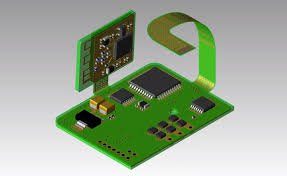
What is the importance of DFM in Pcb productions?
DFM also plays a critical role in optimizing assembly efficiency. The assembly process, which involves placing and soldering components onto the PCB, can be time-consuming and error-prone if the design is not suited for efficient assembly. For instance, densely packed components or complex geometries can make it difficult for automated assembly machines to properly place and solder components. DFM principles encourage designers to create layouts that are easy to assemble, ensuring that components are spaced appropriately and aligned for efficient placement. This not only speeds up the assembly process but also reduces the likelihood of errors and defects during the soldering and testing phases.
In addition to improving cost-effectiveness and reliability, DFM helps to accelerate time to market. By identifying and resolving potential issues early in the design phase, the overall production process becomes more predictable and efficient. This means fewer delays due to design revisions or manufacturing rework. A smooth transition from design to production allows manufacturers to meet tight deadlines and deliver products to market faster, which is particularly crucial in competitive industries where time-to-market is a significant factor in success.
Another key aspect of DFM is enhancing communication between design and manufacturing teams. In many organizations, designers and manufacturers work in silos, which can lead to misunderstandings or misaligned expectations. DFM encourages early collaboration between these teams, allowing designers to better understand the manufacturing constraints and requirements. Manufacturers, in turn, can provide valuable feedback on the design, suggesting modifications that will improve manufacturability. This collaborative approach ensures that both teams are aligned throughout the development process, which can help avoid costly mistakes and rework.
DFM also helps in ensuring that the PCB meets industry standards and regulations. Different industries have specific guidelines and requirements for PCB designs, especially in sectors such as automotive, medical, or aerospace. By incorporating DFM principles, designers can ensure that the PCB meets all the necessary regulatory standards, such as electrical safety, environmental compliance, and durability requirements. This is particularly important in industries where reliability is critical, and failure to meet standards can result in significant safety hazards or legal ramifications.
In conclusion, the importance of DFM in PCB production cannot be overstated. By optimizing the design for manufacturability, DFM reduces costs, improves quality, increases reliability, enhances assembly efficiency, and accelerates time to market. It also promotes better communication between design and manufacturing teams, ensuring that both parties are aligned throughout the production process. Ultimately, implementing DFM principles leads to more efficient and cost-effective PCB production, which is essential for delivering high-quality electronic products that meet customer expectations and regulatory requirements.