Flexible PCBs Be Waterproof
If your PCB has connections that come into contact with water, it is important to seal them carefully. Otherwise, the water may penetrate into the circuit and cause damage to the electronics. The best way to do this is to use waterproof materials, such as silicone or polyimide, which are also used for down-hole and space electronics. These materials distribute stress more evenly, and are also resistant to high temperatures and moisture.
flexible pcb are used in a wide range of electronic devices. They are particularly useful for mobile devices because they allow high data transfer rates on a physically small circuit board. In addition, the flexible nature of these boards allows them to be bent to fit in a tight space. Some examples include smartphones, wearable technology for tracking physical activity, and GPS devices.
Another advantage of using a flex circuit board is that it can save space and weight compared to a wire harness or Rigid PCB. This is because flex circuits have fewer components and can be formed into 3 axes connections, eliminating the need for a lot of wiring. In addition, the flexibility of a flex circuit board reduces vibration and movement that can disrupt the circuit and cause failure.
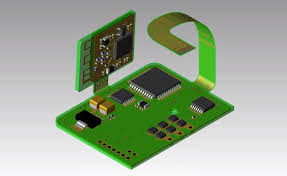
Can Flexible PCBs Be Waterproof?
The FR4 material provided by PCBWay for a flex circuit board is very durable, but it is possible to add stiffeners to selected areas of the design if necessary. This is similar to adding a metal house to rigid PCBs, and the stiffeners can be made from either FR4 or metal (not specified). The choice of stiffener type affects the manufacturing cost.
In addition to the conductive copper layer, a flex circuit board can be manufactured with other materials such as Polybutylene Terephthalate C or Polybutylene Terephthalate N. These are a bit more expensive than the FR4, but they offer greater mechanical strength. They can withstand high temperatures and are flexible enough to withstand repeated bending.
Creating a waterproof PCB is a complex process that requires skill and precision. In addition, the PCB must be made of materials that are resistant to temperature extremes and chemicals. Several steps are involved in the process, including drilling, etching, and soldering. It is important to inspect each part of the finished product for cracks, thin spots, and uncoated areas. Inspecting under a microscope can be helpful in identifying these issues.
A PCB that has been drilled and etched can be coated with a waterproofing agent. This can be done using a dispensing machine or by applying it manually. The method of application depends on the type of coating and the desired waterproofing effect. For example, manual spraying can provide higher accuracy than dispensing and can cover a larger area of the surface. In addition, a manual application allows the technician to see what is being covered and address any questions or concerns before proceeding. Depending on the thickness of the flex PCB and the desired effect, some coatings require multiple layers to be applied.