HDI PCB technology
High-Density Interconnect (HDI) PCB technology has revolutionized various industries, enabling the development of smaller, lighter, and more sophisticated electronic devices. The unique advantages offered by HDI PCBs have made them indispensable in several key sectors, where high-performance, compact circuitry is essential for success.
One prominent industry that extensively utilizes HDI PCB technology is consumer electronics. From smartphones and tablets to wearable devices and smart appliances, consumer electronics manufacturers rely on HDI PCBs to achieve the compact form factors and advanced functionality demanded by consumers. The ability to pack more circuitry into smaller devices enables manufacturers to create sleeker designs without sacrificing performance, leading to a better user experience.
The automotive industry is another major adopter of hdi pcb technology. As vehicles become increasingly complex and connected, the demand for compact and reliable electronic systems continues to rise. HDI PCBs play a critical role in enabling the integration of advanced features such as driver-assistance systems, infotainment systems, and vehicle-to-vehicle communication systems. By leveraging HDI technology, automotive manufacturers can improve safety, efficiency, and connectivity in modern vehicles.
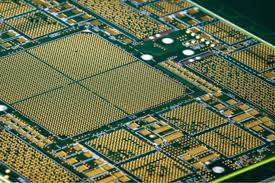
What industries commonly utilize HDI PCB technology?
Telecommunications is yet another industry where HDI PCBs are widely used. With the proliferation of high-speed internet, 5G networks, and Internet of Things (IoT) devices, telecommunications equipment manufacturers require PCBs that can support high-frequency signals and complex routing configurations. HDI PCBs excel in these areas, offering superior signal integrity, reduced electromagnetic interference, and enhanced reliability, making them ideal for use in routers, switches, base stations, and other telecommunications infrastructure.
The aerospace and defense sectors also rely heavily on HDI PCB technology to meet the stringent requirements of mission-critical applications. Whether in military aircraft, satellites, or unmanned aerial vehicles (UAVs), electronic systems must withstand extreme conditions, including temperature fluctuations, vibrations, and electromagnetic interference. HDI PCBs offer the durability, reliability, and miniaturization required to meet these challenges, making them essential components in aerospace and defense electronics.
Medical device manufacturers are increasingly turning to HDI PCB technology to develop innovative solutions for healthcare applications. From diagnostic equipment and patient monitoring devices to implantable medical devices and wearable health trackers, medical electronics demand high-performance PCBs that can deliver precise measurements and reliable operation in a compact form factor. HDI PCBs enable the miniaturization of medical devices while maintaining stringent safety and quality standards, thereby improving patient care and enhancing medical technology.
Additionally, industries such as industrial automation, robotics, and IoT also utilize HDI PCB technology to enable smarter, more efficient manufacturing processes and interconnected systems. From factory automation systems and industrial robots to smart sensors and IoT gateways, HDI PCBs facilitate the seamless integration of electronics into industrial environments, leading to increased productivity, efficiency, and reliability.
In conclusion, HDI PCB technology finds widespread use across a diverse range of industries, including consumer electronics, automotive, telecommunications, aerospace and defense, medical devices, industrial automation, and IoT. The unique advantages offered by HDI PCBs, including compactness, reliability, and high performance, make them indispensable components in modern electronic systems. As technology continues to advance and demand for smaller, more powerful devices grows, the importance of HDI PCB technology is only expected to increase across various industries.